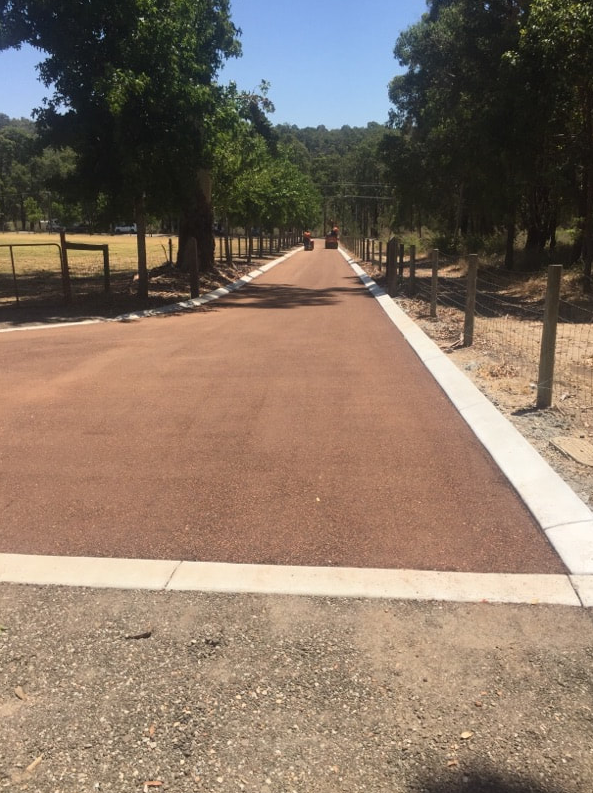
An existing driveway does not necessarily need complete reconstruction simply because its surface has become worn, rough or visually tired. When the underlying pavement remains stable, resurfacing can provide an effective way to restore its condition and extend its useful life. One of the most dependable materials for this type of work is asphalt.
For property owners in Caboolture, QLD, asphalt resurfacing can transform a deteriorating driveway into a smooth, durable and practical surface. However, successful resurfacing depends on more than placing new asphalt over old pavement. The existing driveway must first be carefully assessed and prepared to ensure the new surface has a suitable foundation.
What Is Asphalt Driveway Resurfacing?
Asphalt resurfacing generally involves installing a new layer of asphalt over an existing pavement that remains structurally suitable.
Before the new asphalt is laid, the driveway is inspected and prepared. Existing defects may need to be repaired, damaged sections corrected and the surface cleaned so that the new layer can be installed properly.
The objective is to renew the trafficable surface while retaining suitable parts of the existing pavement structure.
When Is an Existing Driveway Suitable for Resurfacing?
Not every worn driveway needs to be rebuilt. Resurfacing may be appropriate when deterioration is mainly affecting the upper surface while the underlying pavement remains reasonably stable.
Typical signs that resurfacing could be worth considering include:
- General surface wear
- Numerous minor cracks
- A rough or weathered finish
- Previous repairs across several areas
- Minor localised deterioration
- Loss of the original smooth driving surface
A professional assessment is important because similar-looking defects can sometimes have very different underlying causes.
Why Is Asphalt Well Suited to Driveway Resurfacing?
Asphalt provides a combination of characteristics that make it particularly useful for residential and property access surfaces.
When installed correctly, it creates a smooth, continuous pavement capable of handling repeated vehicle movements. It also has a degree of flexibility, allowing the pavement to accommodate normal traffic stresses and minor movement without behaving like a completely rigid surface.
For a driveway that is used every day, these characteristics provide practical benefits over the long term.
Restore a Smooth, Consistent Driving Surface
One of the most noticeable benefits of resurfacing with asphalt is the improvement in driving quality.
Older driveways can gradually develop patches, shallow depressions, rough sections and irregular repairs. Even where these problems are not severe enough to require reconstruction, they can make the driveway less comfortable to use.
A properly prepared asphalt resurfacing project can restore a much more consistent surface, improving vehicle movement from the property entrance through to parking and turning areas.
Improve the Overall Appearance of the Driveway
A driveway occupies a significant part of the exterior of many properties. Widespread patches, weathering and surface deterioration can therefore affect the overall presentation of the site.
Fresh asphalt provides a neat, uniform finish that can make an ageing driveway look significantly more established and well maintained.
The improvement is functional as well as visual, as the renewed surface also provides a more consistent area for everyday vehicle access.
Asphalt Can Handle Frequent Vehicle Movements
Driveways experience repeated loading in many of the same locations. Vehicles regularly travel along the same wheel paths, turn in similar positions and brake near entrances or parking areas.
The pavement therefore needs to withstand ongoing traffic rather than occasional use.
A professionally installed asphalt surface can be designed around the expected vehicle requirements of the property, helping it remain stable and serviceable under regular use.
Resurfacing Can Preserve a Sound Existing Pavement
An important advantage of resurfacing is that suitable parts of the existing driveway can continue forming part of the pavement structure.
If the underlying layers remain stable, completely removing them may be unnecessary. Instead, defects can be addressed before the existing pavement receives its new asphalt surface.
This makes accurate assessment particularly important. The aim should be to preserve sound pavement while correcting areas that could affect the performance of the resurfacing.
Existing Damage Must Be Addressed First
New asphalt should not simply be used to hide existing problems.
Cracks, potholes, unstable patches and significant depressions need to be investigated before resurfacing. If the underlying cause remains untreated, defects can eventually affect the new layer.
Good preparation may involve:
- Repairing damaged sections
- Correcting localised instability
- Preparing pavement edges
- Improving surface levels where required
- Ensuring the existing pavement is clean and suitable
- Addressing drainage concerns
The quality of this preparation has a major influence on the finished result.
Drainage Is Essential to Long-Term Performance
Water management should always be considered when resurfacing an existing driveway.
If the old pavement has areas where water regularly collects, simply installing new asphalt without addressing those conditions may leave the resurfaced driveway vulnerable to future deterioration.
Correct grading helps direct rainfall away from the trafficable surface and reduces the opportunity for moisture to enter the pavement structure.
For properties in Caboolture, considering drainage as part of the resurfacing process helps protect the driveway rather than focusing only on its appearance.
What If the Driveway Has Potholes?
A small number of potholes does not necessarily rule out resurfacing. Localised damaged areas can potentially be repaired during preparation if the remainder of the pavement remains suitable.
However, numerous potholes appearing throughout the driveway can indicate more extensive deterioration.
Recurring potholes may point towards problems involving the base, drainage or pavement stability. These issues need to be investigated before deciding whether resurfacing will provide an appropriate result.
What About Widespread Cracking?
Cracking should also be assessed according to its pattern and severity.
A driveway with relatively minor surface cracking may still be suitable for resurfacing after appropriate preparation. Deep, interconnected cracking combined with significant movement can indicate structural deterioration beneath the surface.
Installing new asphalt over an unstable pavement does not correct the weakness underneath. Where structural problems are present, deeper repairs or reconstruction may be necessary first.
Resurfacing Versus Continually Patching the Driveway
Individual repairs are useful when deterioration remains isolated. Over time, however, an older driveway may accumulate numerous patches as different areas require attention.
If repairs are becoming widespread while the underlying pavement remains serviceable, resurfacing can provide a more comprehensive solution.
Rather than continuing to treat individual surface defects, the driveway can receive a renewed trafficable layer that restores consistency across the area.
Why Professional Assessment Matters
Determining whether a driveway should be repaired, resurfaced or reconstructed requires an understanding of the entire pavement structure.
An experienced asphalt contractor can assess factors including:
- Existing surface condition
- Crack patterns
- Potholes and previous repairs
- Base stability
- Drainage
- Surface levels
- Vehicle usage
- Areas of movement or settlement
This helps ensure resurfacing is recommended because the driveway is genuinely suitable for it, rather than simply because the visible surface looks worn.
Getting More from the Resurfaced Driveway
Once resurfacing is complete, sensible maintenance can help preserve the renewed pavement.
Property owners should keep drainage areas clear, monitor the driveway for developing cracks and arrange repairs if isolated damage appears. Responding to small problems early helps prevent moisture and traffic from turning them into larger areas of deterioration.
A well-constructed asphalt driveway combined with proactive maintenance can provide dependable access for many years.
Conclusion
If an existing driveway is becoming worn, rough or heavily patched, asphalt resurfacing may provide an effective way to restore its appearance and everyday performance without automatically rebuilding the entire pavement.
The key is establishing whether the underlying driveway remains suitable. Proper assessment, repairs, preparation, drainage and asphalt installation all contribute to a resurfaced driveway that performs reliably rather than simply covering existing problems.
Caboolture Surfacing Solutions provides professional asphalt and bitumen resurfacing services throughout Caboolture, QLD. If your existing driveway is showing signs of deterioration, our team can assess its condition and recommend an appropriate resurfacing solution focused on achieving a smooth, durable and dependable result.
Call us on: 07 3113 9873
Click here to find out more about Caboolture Surfacing Solutions
Click here to complete our contact form and see how we can help with your driveway needs.